Optimal Timing for Windows Installations
Choosing the right time for Windows installations can influence the efficiency and success of the process. Factors such as system readiness, environmental conditions, and user availability are important considerations. Proper timing ensures minimal disruption and optimal performance post-installation.
Installing Windows during periods of low activity minimizes disruptions. Spring and fall often offer moderate temperatures and less busy schedules, making them suitable for installations.
Ensure hardware and software are prepared before scheduling. Avoid times when system updates or other maintenance tasks are ongoing.
Schedule installations during times when users are least likely to need immediate access, such as weekends or off-hours.
Avoid extreme weather conditions that could affect hardware or installation procedures, especially in outdoor or poorly climate-controlled environments.

A technician performing a Windows setup on a desktop computer.

Hardware components arranged for installation.

Configuration screen during Windows setup.

Calendar with scheduled installation date.

IT technician assisting a user post-installation.

Office space prepared for system upgrades.

Clear skies and outdoor scene indicating good weather.

Team planning session for scheduled installations.
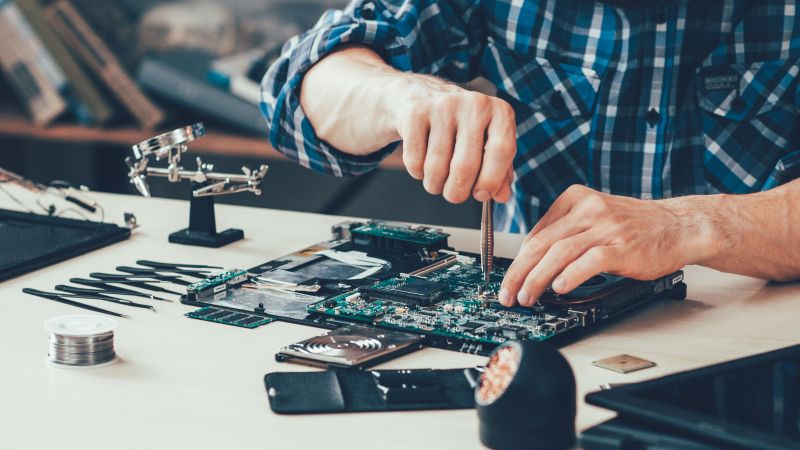
Technician connecting hardware components.
| Timing Factor | Considerations |
|---|---|
| Season | Spring and fall are ideal for moderate temperatures and less busy schedules. |
| System Readiness | Ensure hardware and software are prepared before scheduling. |
| User Availability | Schedule during off-hours or weekends for minimal disruption. |
| Weather Conditions | Avoid extreme weather that could impact outdoor or hardware setup. |
| Business Cycles | Align with low-activity periods to reduce operational impact. |
| Environmental Conditions | Maintain stable indoor environments for hardware stability. |
| Project Scope | Larger installations may require more planning and optimal timing. |